

For years, digital products competed by adding more features. Today, the most successful enterprise platforms compete by reducing effort.
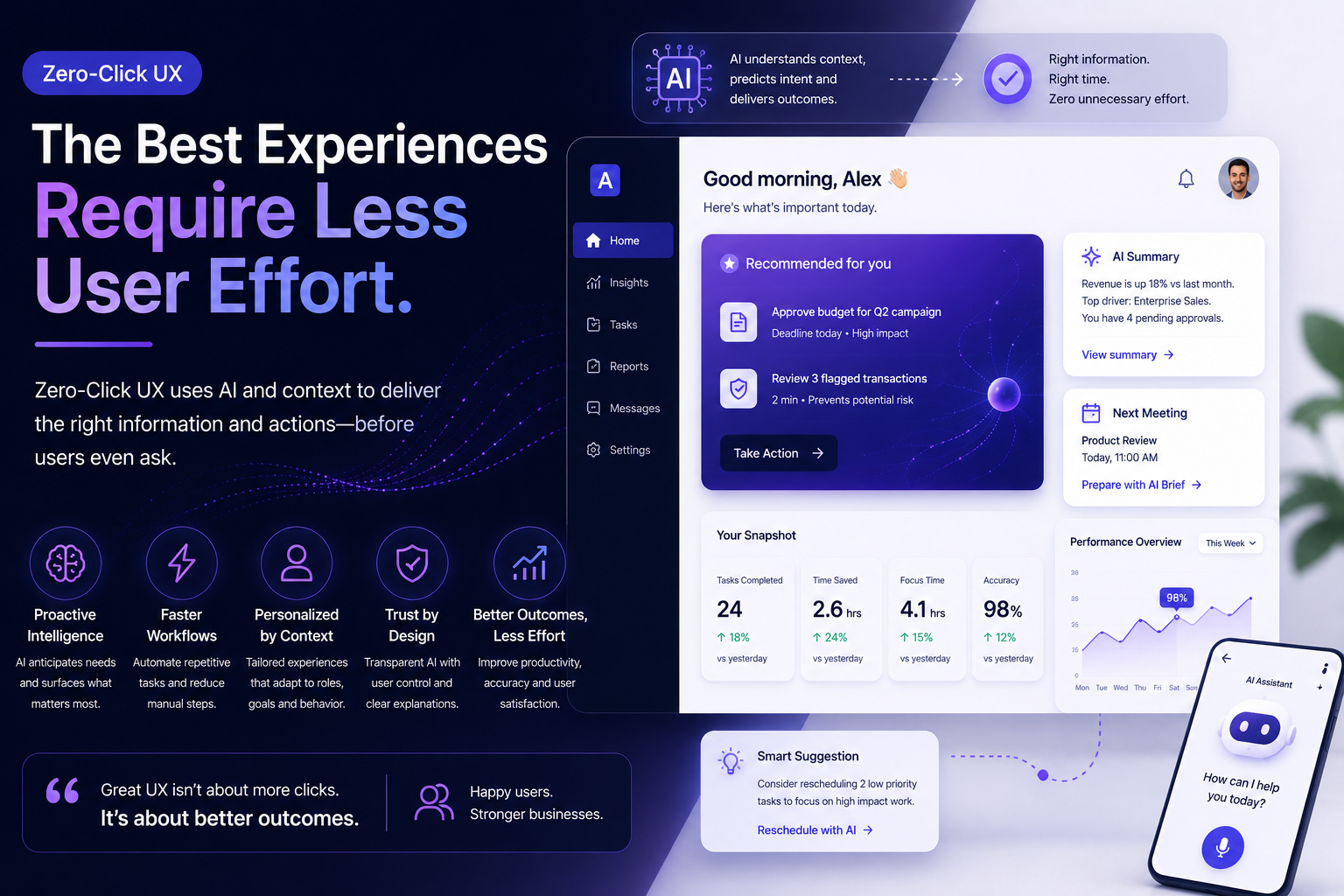
As artificial intelligence, automation, and predictive analytics become integral to enterprise software, a new design philosophy is emerging: Zero-Click UX. Instead of requiring users to search, navigate, and manually complete repetitive actions, modern applications proactively surface the right information, recommend the next best action, and automate routine workflows.
For enterprise organizations managing thousands of employees and millions of customer interactions, reducing friction is becoming one of the biggest competitive advantages.
What Is Zero-Click UX?
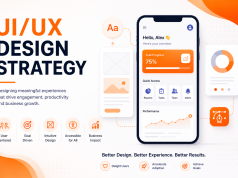
Zero-Click UX is the practice of minimizing unnecessary user interactions through intelligent automation and contextual design.
Rather than asking users to find information, the application delivers it proactively based on context, behaviour, and business priorities.
Examples include:
- AI-generated task recommendations
- Context-aware dashboards
- Smart notifications
- Predictive search
- Automated workflow suggestions
- Personalized home screens
The objective is simple: help users achieve more while interacting less.
Why Enterprise Leaders Are Investing
Enterprise applications continue to grow in complexity. Employees often switch between multiple systems just to complete a single workflow.
Reducing interaction time delivers measurable business value by:
- Improving employee productivity
- Accelerating decision-making
- Increasing software adoption
- Lowering training requirements
- Reducing operational errors
- Improving customer satisfaction
Less effort often results in better outcomes.
AI Makes Proactive Experiences Possible
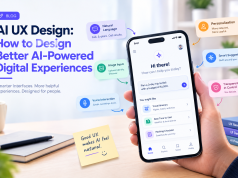
Generative AI and intelligent assistants allow enterprise platforms to understand context instead of simply responding to commands.
Instead of asking users to locate reports, AI can summarize key metrics before a meeting. Instead of navigating several dashboards, managers can receive actionable insights immediately after signing in.
This changes UX from reactive to predictive.
Trust Must Remain Central
Automation should never reduce transparency.
Users should always understand:
- Why recommendations appear
- Which data was analysed
- How AI reached a conclusion
- Whether suggestions can be edited or rejected
Balancing intelligence with control creates long-term trust.
Industry Perspective
Across enterprise product engineering, organizations are increasingly combining UX research, AI engineering, cloud platforms, and product strategy into unified delivery models. Companies such as GeekyAnts have publicly demonstrated this broader industry direction through enterprise solutions where usability, scalability, and AI capabilities evolve together.
Conclusion
Enterprise UX is no longer about creating beautiful interfaces alone. It is about reducing friction, improving productivity, and helping people make better decisions faster.
As AI continues to mature, Zero-Click UX will become a defining characteristic of enterprise software that employees genuinely enjoy using.