

Home Blog

Choosing a UI/UX design agency can influence how customers interact with your website, mobile application, or digital product. A well-designed interface can make information easier to understand, simplify important tasks, and help users navigate a product with confidence.
However, selecting...
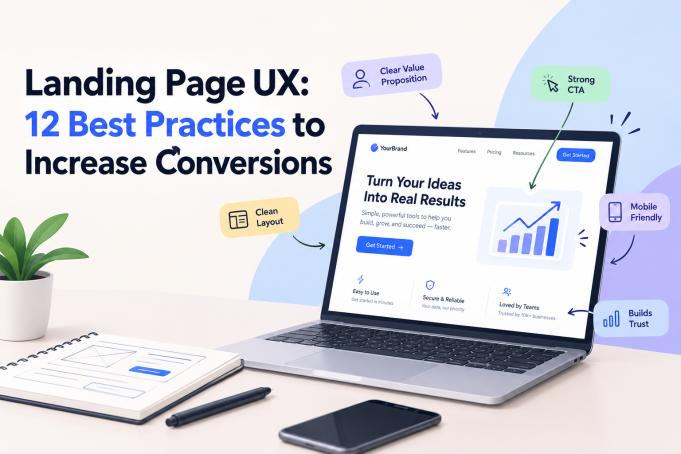
A landing page has one primary job: help visitors understand an offer and decide what to do next. Whether the goal is to generate leads, encourage product sign-ups, promote a service, or sell a product, the page needs to...
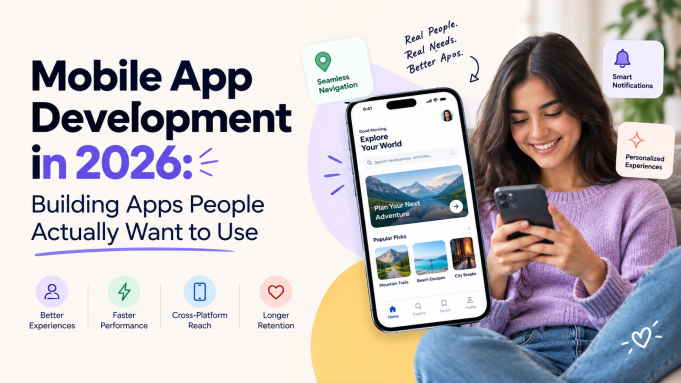
A website redesign is an opportunity to improve more than the visual appearance of a business website. It can help users find information faster, understand products and services more easily, and complete important actions with less friction.
However, redesign projects...
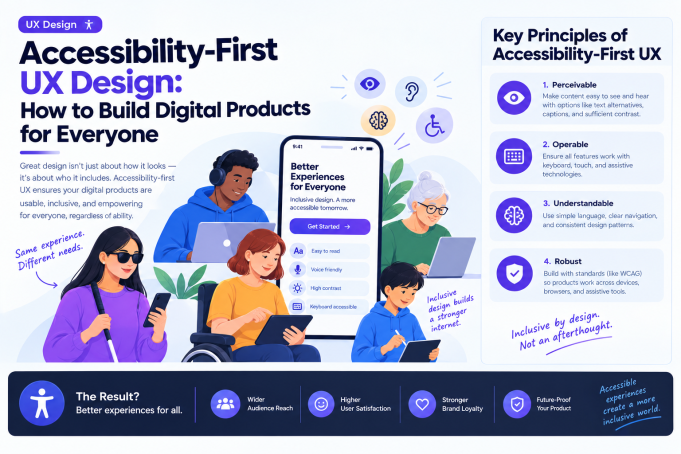
A digital product can look polished and still be difficult for people to use. Small text, low color contrast, confusing navigation, and forms that depend entirely on a mouse can prevent users from completing even simple tasks.
Accessibility-first UX design...
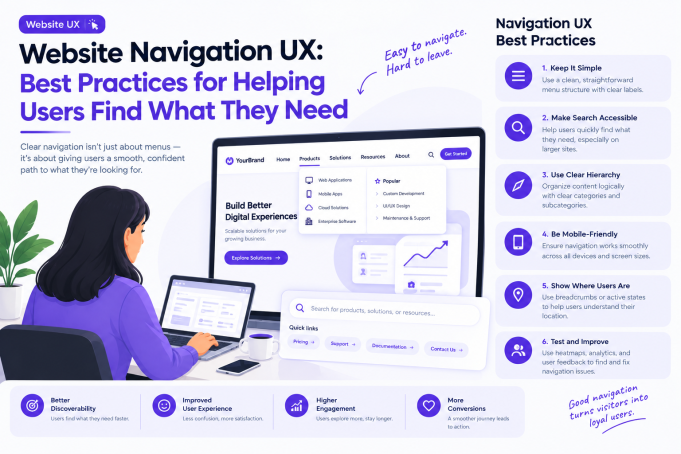
Website Navigation UX: Best Practices for Helping Users Find What They Need
A website can offer excellent content, useful features, and an attractive visual design yet still frustrate visitors if they cannot find what they need.Confusing menus, unclear labels, deeply...
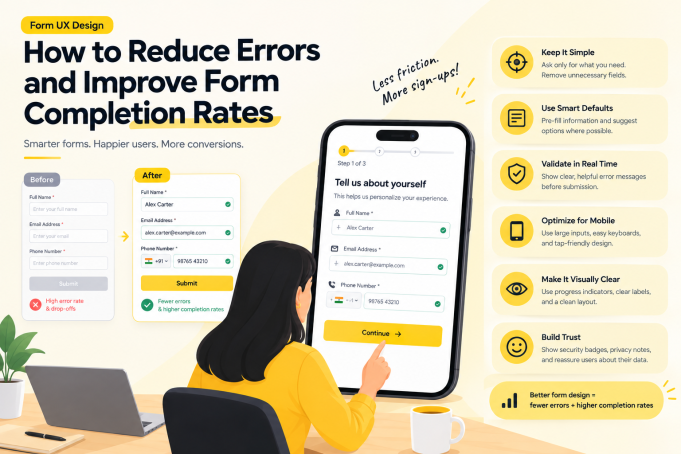
Forms are among the most common interactions in digital products. Users encounter them when creating accounts, requesting quotes, booking appointments, applying for services, completing purchases, and submitting business information.
Yet, even a short form can create friction when questions are...
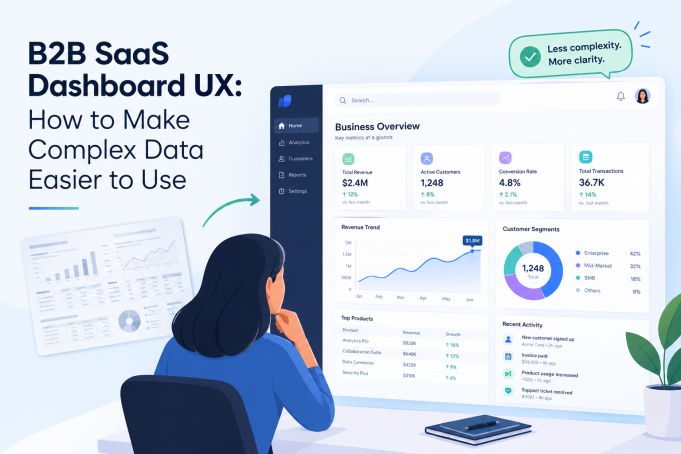
Business dashboards often contain everything from performance metrics and financial reports to customer activity and operational alerts. Yet, providing more information does not necessarily help users make better decisions.
A dashboard can include dozens of charts, filters, tables, and navigation...
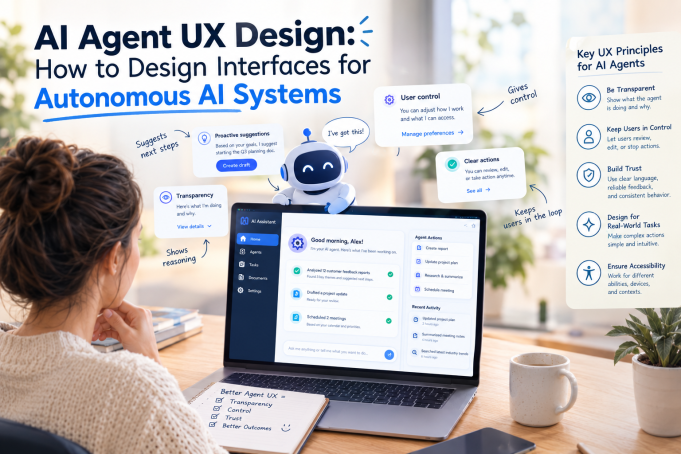
AI is changing how people interact with digital products. Instead of manually navigating menus, filling out forms, and completing every step themselves, users can increasingly delegate tasks to AI systems.
An AI agent might research information, organize a schedule, analyze...
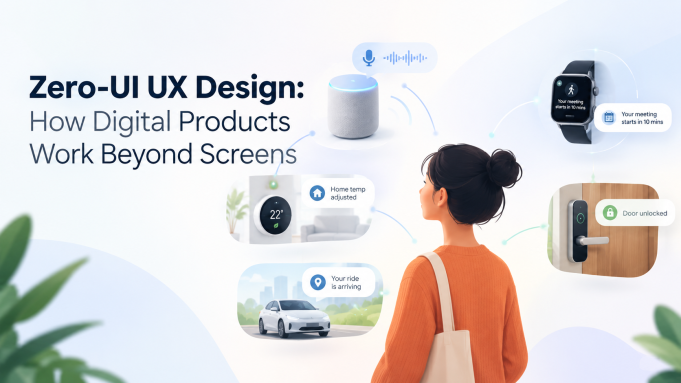
For years, digital product design revolved around screens, buttons, menus, and navigation.
Today, users can interact with technology through voice, gestures, sensors, notifications, wearables, AI assistants, and automated actions without opening a traditional interface.
This shift is creating a new design...
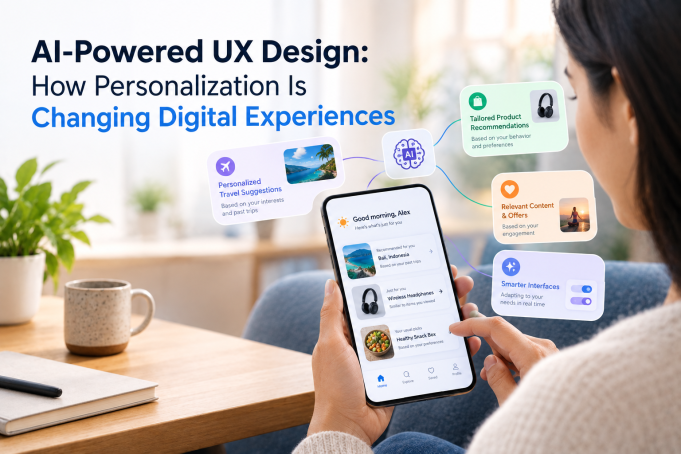
Users no longer expect every digital product to behave exactly the same for everyone.
A returning customer may want quick access to previous purchases, while a new visitor may need guidance and product discovery. A business user may prioritize dashboards...